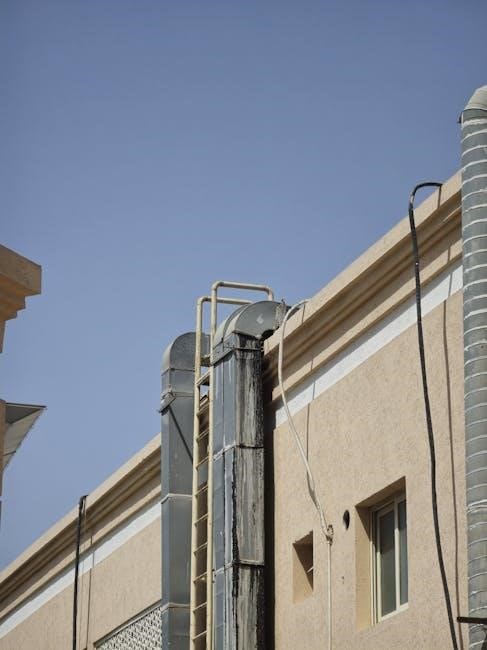
Ductwork Installation Guide: A Comprehensive Overview
This comprehensive guide details planning, materials, installation techniques, and compliance testing for efficient HVAC systems, ensuring long-term performance and addressing common issues.
Successful installations require careful pre-planning, adherence to industry standards, and proper sealing/insulation, especially when ductwork is outside conditioned spaces.
HVAC ductwork forms the critical circulatory system of a building’s heating, ventilation, and air conditioning (HVAC) system, distributing conditioned air throughout the structure. Effective ductwork ensures optimal thermal comfort, indoor air quality, and energy efficiency. Understanding its principles is paramount for successful installation.
Ducts transport heated or cooled air from the central HVAC unit to individual rooms via a network of main lines and branch ducts (drops). Proper design and installation minimize energy loss, prevent air leaks, and maintain consistent temperatures. Because ducting is often installed before ceiling installation, careful planning regarding height and clearances is essential.
This guide explores the fundamentals of HVAC ductwork, covering materials, installation best practices, and troubleshooting, ultimately aiming for a high-performing and reliable system.
Planning & Pre-Installation Assessment
Thorough planning is crucial for a successful ductwork installation. Begin with a detailed assessment of the building’s layout, identifying optimal duct runs and potential obstructions. Consider factors like ceiling height, available space, and the location of the HVAC unit. Determining the height of the ductwork’s lowest feature relative to the finished floor is vital for maintaining adequate clearances.
A pre-installation inspection should verify the structural integrity of the intended mounting surfaces. Avoid locating ductwork within unconditioned spaces like exterior walls, garages, crawlspaces, or attics whenever possible. If unavoidable, prioritize proper sealing and insulation to minimize energy loss. Reviewing industry standards and regulatory requirements is also essential during this phase.
Understanding Industry Standards & Regulations
Compliance with industry standards is paramount for safe and efficient ductwork installation. Regulations dictate material selection, sealing requirements, and insulation levels to ensure optimal HVAC system performance and indoor air quality. Referencing these guidelines is crucial for long-term system effectiveness.
Adhering to these standards isn’t merely about avoiding penalties; it directly impacts energy efficiency and occupant comfort. Regulatory requirements often specify acceptable ductwork materials and methods for minimizing air leakage. Thoroughly understanding these rules before commencing installation prevents costly rework and ensures the system meets performance expectations. Proper documentation of compliance is also essential for inspections and future maintenance.
Ductwork Materials Selection
Choosing the right ductwork material is fundamental to a successful HVAC installation. Common options include sheet metal and flexible ductwork, each with distinct advantages and disadvantages. Sheet metal offers durability and minimal air leakage when properly sealed, but requires specialized tools for fabrication and installation.
Flexible ductwork provides ease of installation, particularly in tight spaces, but is more prone to airflow restriction and damage if not handled carefully. Selecting the appropriate material depends on the specific application, budget, and accessibility. Reviewing industry standards ensures materials meet regulatory requirements and contribute to long-term system performance and efficiency.
Sheet Metal Ductwork: Pros & Cons
Sheet metal ductwork presents notable advantages, including exceptional durability and longevity, contributing to a system’s lifespan. When properly sealed, it minimizes air leakage, maximizing HVAC efficiency and reducing energy costs. However, installation demands skilled labor and specialized tools for cutting, shaping, and joining sections.
The rigidity of sheet metal can make navigating complex layouts challenging, potentially increasing installation time and cost. While offering superior airflow characteristics, sheet metal requires careful support and suspension to prevent sagging or damage. Consider these factors when evaluating if sheet metal aligns with project requirements and budgetary constraints.
Flexible Ductwork: Applications & Limitations
Flexible ductwork excels in navigating tight spaces and complex installations, simplifying connections and reducing labor costs. Its inherent flexibility makes it ideal for connecting branch ducts (drops) to the main airflow path and reaching difficult areas. However, this flexibility comes with trade-offs.
Flexible ducts exhibit higher airflow resistance compared to smooth sheet metal, potentially reducing system efficiency; Improper installation – stretching, kinking, or sagging – significantly increases this resistance and can lead to premature failure. Careful attention to proper support and minimal bends is crucial. While cost-effective for certain applications, flexible duct’s limitations necessitate careful consideration.
Essential Tools & Equipment for Ductwork Installation
Successful ductwork installation demands a range of specialized tools. Sheet metal ductwork requires snips, seamers, and a duct cutter for precise fabrication. A crimping tool is vital for creating secure connections. For both rigid and flexible duct, a duct blaster is essential for leak detection and system balancing.
Beyond cutting and connecting, a robust measuring tape, levels, and appropriate fasteners (screws, rivets, or duct tape) are fundamental. Safety gear, including gloves, eye protection, and respirators, is non-negotiable; Depending on the scope, power drills, saws, and potentially lifting equipment may also be necessary for efficient and safe installation.
Main Duct Line Installation
Establishing the primary airflow path is crucial. Begin by assembling the main duct line, connecting it directly to the air handling unit (dust collector in some applications). Careful alignment and secure connections are paramount to minimize airflow resistance and potential leaks.
Proper support and suspension are vital; ducts must be adequately supported to prevent sagging or stress on joints. Utilize hangers, straps, or bracing, ensuring they are appropriately spaced according to duct size and weight. Maintaining correct clearances from obstructions, like exterior walls and structural elements, is also essential for safe and efficient operation.
Assembling the Primary Airflow Path
Constructing the main duct line involves connecting sections of ductwork to create a continuous pathway from the air handling unit to the branch ducts. Begin with a clear layout, ensuring minimal bends and transitions to optimize airflow. Utilize appropriate connectors – screws, sealant, or clamps – to create airtight seals at each joint, preventing energy loss and maintaining system efficiency.
Pay close attention to duct alignment; misalignments can create turbulence and reduce airflow. Securely fasten each section, verifying stability before proceeding. This primary path dictates overall system performance, so precision during assembly is non-negotiable for a successful HVAC installation.
Proper Support & Suspension Techniques
Effective ductwork support is crucial for preventing sagging, vibration, and potential damage. Utilize hangers, straps, and bracing appropriate for the duct’s weight and size, spaced according to industry standards and local building codes. Suspension from ceilings or structural members must be secure, employing robust anchors capable of bearing the load.
Avoid direct contact between ductwork and building materials to minimize noise transmission. Implement vibration isolation measures where necessary, particularly near sensitive areas. Proper support not only ensures system longevity but also maintains airflow efficiency by preventing constrictions or collapses within the ductwork. Regular inspection of supports is recommended.
Branch Duct (Drop) Installation
Branch duct, or drop, installation requires precise connections to the main duct line, ensuring airtight seals to prevent airflow leakage. These drops distribute conditioned air to individual registers or diffusers throughout the building. Careful consideration must be given to drop length and angle, optimizing airflow and minimizing static pressure loss;
Properly sized drops are essential for balanced airflow to each zone. Securely fasten drops using appropriate connectors and supports, preventing strain on the main ductwork. Accurate assembly of these branches, connecting to tools as needed, is key to overall system success. Inspect connections thoroughly for any gaps or weaknesses.
Connecting Drops to the Main Line

Securely connecting drops to the main line is paramount for maintaining system efficiency and preventing air leakage. Utilize appropriate fittings, such as take-offs or elbows, designed for ductwork connections. Ensure a tight, airtight seal using duct sealant or mastic, thoroughly applied around all joints and seams.
Avoid sharp bends or restrictions at the connection point, as these can impede airflow and increase static pressure. Support the drop adequately near the connection to prevent stress on the main duct. Proper assembly of these airflow branches is crucial. Inspect each connection meticulously, verifying a robust and leak-free seal before proceeding.
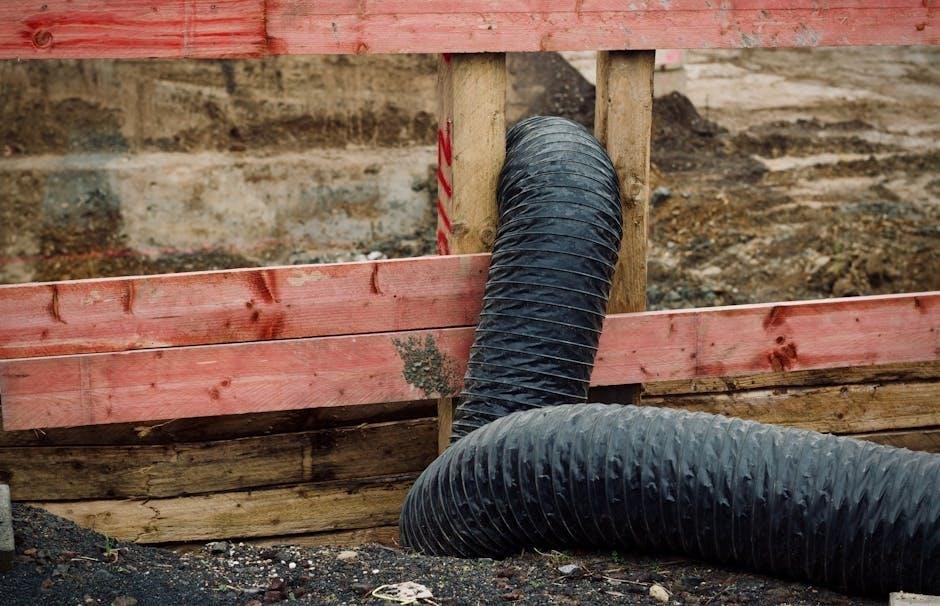
Ensuring Correct Drop Length & Angle
Maintaining proper drop length and angle is vital for optimal airflow and condensate drainage. Excessive drop length can increase static pressure and reduce efficiency, while insufficient length may hinder airflow distribution. A slight downward slope towards the register is recommended to facilitate condensate return to the air handler.
Avoid creating sags or low points in the duct run where moisture can accumulate, leading to mold growth. Carefully calculate drop lengths based on room layout and system requirements. Support the ductwork adequately to maintain the desired angle and prevent sagging. Accurate measurements and careful installation are key to a balanced and efficient HVAC system.
Duct Sealing Techniques
Effective duct sealing is paramount for maximizing HVAC system efficiency and indoor air quality. Leaks in ductwork can result in significant energy loss, increased utility bills, and compromised comfort. Utilize mastic sealant, foil tape (specifically designed for ductwork – avoid cloth-backed tapes), or aerosol sealants to close all seams, joints, and connections.
Thoroughly inspect all ductwork for potential leak points, paying close attention to connections with boots, plenums, and other components. Pressure testing the system after sealing can verify its integrity. Proper sealing minimizes air loss, ensuring conditioned air reaches its intended destination, and prevents the infiltration of dust and pollutants.
Duct Insulation: Importance & Methods
Proper duct insulation is crucial for maintaining consistent temperatures and preventing energy loss. Insulating ducts, particularly those in unconditioned spaces like attics and crawlspaces, minimizes heat gain in summer and heat loss in winter. Common insulation methods include fiberglass wrap, duct liner, and rigid foam boards.
The R-value of the insulation should be appropriate for the climate and location of the ductwork. When ducts are within conditioned spaces, insulation still helps reduce noise and condensation. Ensure a complete, unbroken seal around the insulation to prevent air leakage and maintain optimal performance. Correct insulation significantly improves HVAC system efficiency.
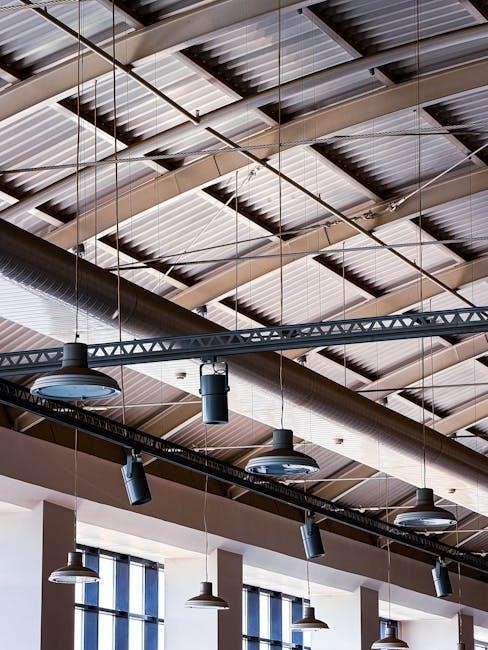
Insulating Ductwork in Conditioned Spaces
While less critical than in unconditioned areas, insulating ductwork within conditioned spaces still offers significant benefits. Primarily, it reduces noise transmission from the HVAC system, creating a quieter indoor environment. Insulation also minimizes condensation on the duct surfaces, preventing potential water damage and mold growth.

Commonly used materials include flexible duct wrap or internal duct liner. The focus here isn’t solely on thermal resistance, but also on acoustic performance. Ensure the insulation is installed neatly and securely, maintaining a complete seal to prevent any air leakage. Properly insulated ducts contribute to overall comfort and system efficiency.

Insulating Ductwork in Unconditioned Spaces (Attics, Crawlspaces)
Insulating ductwork in unconditioned spaces – like attics and crawlspaces – is paramount for HVAC system efficiency. Heat gain or loss through uninsulated ducts drastically reduces performance and increases energy bills. A minimum of R-8 insulation is generally recommended, but local codes may require higher values.
Proper sealing before insulation is crucial; air leaks negate the benefits of even the best insulation. Use duct sealant to close all seams and joints. Common insulation types include fiberglass wrap, foil-faced bubble wrap, or spray foam. Ensure complete coverage, avoiding compression which reduces effectiveness. This meticulous approach maximizes comfort and minimizes energy waste.
Airflow Optimization & System Balancing
Optimizing airflow and balancing the HVAC system are critical post-installation steps. Uneven airflow leads to temperature inconsistencies and reduced efficiency. System balancing ensures each room receives the correct amount of conditioned air, maximizing comfort and minimizing energy waste.
This process involves adjusting dampers within the ductwork to regulate airflow to different zones. Measurements are taken at each register to determine airflow rates, and dampers are adjusted accordingly. A professional HVAC technician often uses specialized tools for accurate balancing. Proper balancing extends equipment lifespan and ensures the system operates as designed, delivering consistent comfort throughout the building.

Acoustic Considerations in Ductwork Installation
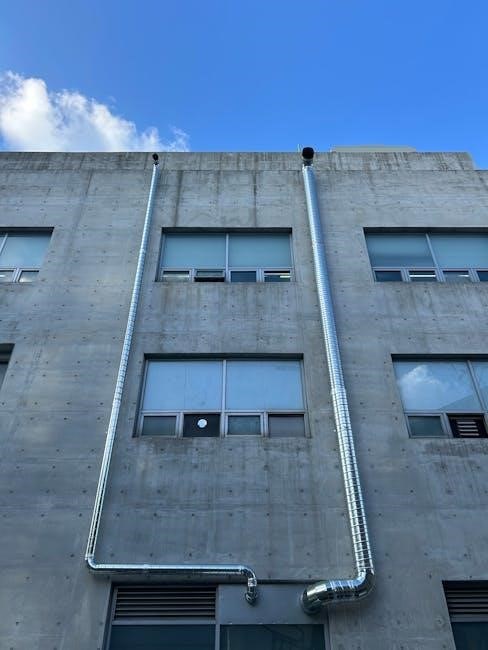
Minimizing noise transmission through HVAC ductwork is a crucial aspect of comfortable indoor environments. Air moving rapidly through ducts can generate significant noise, impacting occupants’ peace. Acoustic considerations begin during the planning phase, focusing on duct layout and material selection.
Employing flexible duct connectors can reduce vibration transmission from equipment to the ductwork; Insulating ductwork, particularly return ducts, effectively dampens sound. Larger duct sizes and smoother airflow paths also contribute to noise reduction. Careful attention to detail during installation, ensuring proper sealing and support, prevents rattling and whistling sounds. Addressing these acoustic factors enhances overall system success.
Avoiding Common Installation Pitfalls
Successful ductwork installation hinges on proactively avoiding frequent errors. Insufficient planning is a primary pitfall; a thorough pre-installation assessment is vital. Improperly sealed ducts lead to significant energy loss and reduced system efficiency – meticulous sealing is non-negotiable.
Inadequate support and suspension can cause sagging and airflow restrictions. Ignoring industry standards and regulatory requirements risks non-compliance and future issues. Failing to account for ceiling height and clearances can create accessibility problems. Addressing these potential problems from the start is key to overall system success, ensuring a reliable and efficient HVAC system.
Ductwork Installation in Relation to Ceiling Height & Clearances
Determining duct height relative to the finished floor is crucial, especially when installed before ceiling completion, to maintain adequate clearances. This specification is critical when layout constraints exist. Careful consideration prevents interference with lighting, sprinklers, or other ceiling-mounted components.
Prioritize locating ductwork within conditioned spaces – avoiding exterior walls, garages, crawlspaces, and attics – to maximize efficiency. If unconditioned spaces are unavoidable, proper sealing and insulation become paramount. Accurate measurements and planning ensure accessibility for future maintenance and repairs, contributing to long-term system performance and avoiding costly rework.
Compliance Testing & Verification
Thorough testing is essential post-installation to verify system performance and adherence to industry standards and regulatory requirements. This includes visual inspections for proper sealing and insulation, ensuring no leaks compromise efficiency. Static pressure testing confirms airflow meets design specifications, identifying potential restrictions or imbalances.
Documentation of all testing procedures and results is crucial for demonstrating compliance. Addressing any identified deficiencies promptly ensures optimal system operation and longevity. Verification confirms the installation meets established guidelines, contributing to energy savings and indoor air quality. A successful outcome relies on meticulous attention to detail throughout the entire process.
Frequently Asked Questions (FAQ) ⏤ Ductwork Assembly
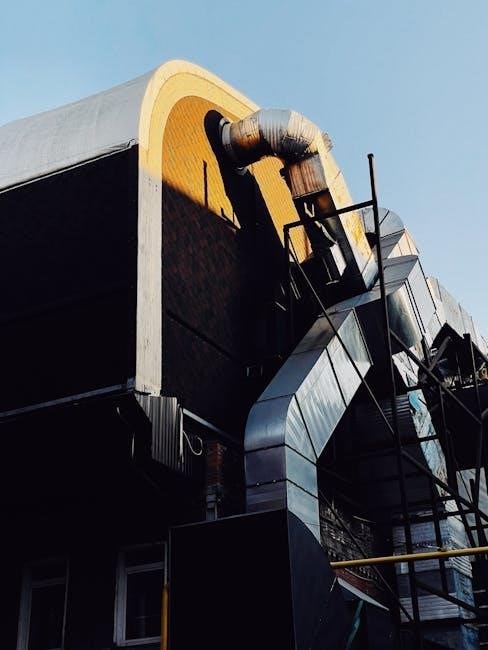
Q: What’s the best way to assemble main duct lines? A: Carefully connect sections, ensuring proper alignment and secure fastening. Prioritize a smooth, continuous airflow path. Q: How do you connect branch ducts (drops)? A: Use appropriate fittings and sealing methods to maintain airtight connections to the main line.
Q: What are common assembly issues? A: Leaks, improper support, and incorrect angles are frequent problems. Q: Why is planning crucial? A: It ensures a successful installation, avoiding rework and maximizing efficiency. Q: What about addressing concerns? A: Thoroughly review the installation guide and consult with experienced professionals for clarification.
Flexible Duct Installation Best Practices
Prioritize minimizing bends and kinks in flexible ductwork to maintain optimal airflow. Ensure proper support every few feet to prevent sagging and restriction. Always seal connections meticulously with approved duct tape or mastic to prevent air leakage, a common issue.
Avoid overstretching the duct, as this reduces its effectiveness and lifespan. Inspect for damage before installation, discarding any compromised sections. Consider using rigid ductwork for long runs or areas requiring greater stability. Proper installation is key to overall system success, enhancing efficiency and reducing energy costs.
Ductwork Layout Considerations ⏤ Avoiding Problem Areas
Strategic ductwork layout is crucial for efficient HVAC performance. Avoid running ducts through unconditioned spaces like attics, crawlspaces, or garages whenever possible, as this increases energy loss. Minimize long runs and sharp bends, which restrict airflow and reduce system efficiency.
Carefully consider clearances around obstructions, ensuring adequate space for installation and maintenance. Plan duct routes to avoid exterior walls, reducing heat transfer. Proper planning from the start is key to overall system success, preventing future issues and maximizing comfort. A well-designed layout optimizes airflow and minimizes energy waste.
Long-Term Performance & Maintenance
Maintaining ductwork integrity is vital for sustained HVAC efficiency. Regular inspections should identify and address leaks, ensuring optimal airflow and preventing energy loss. Periodic cleaning removes dust and debris, improving air quality and system performance.
Proper sealing and insulation are crucial for long-term efficiency, especially in unconditioned spaces. Address any damage promptly to prevent further deterioration. Consider professional duct cleaning every few years. Proactive maintenance extends the lifespan of the system and minimizes costly repairs, ensuring consistent comfort and reduced energy bills over time.
Regulatory Requirements for Ductwork Materials
Compliance with industry standards is paramount when selecting ductwork materials. Regulations often dictate acceptable materials, sealing methods, and insulation levels to ensure energy efficiency and indoor air quality. Referencing current guidelines is essential for a lawful and effective installation.
Material choices must meet fire safety codes and may be subject to local building regulations. Proper documentation of material specifications and installation practices is crucial for inspections. Adhering to these requirements guarantees long-term performance, safety, and avoids potential penalties, ensuring a responsible and compliant HVAC system.
Troubleshooting Common Ductwork Issues
Identifying and resolving ductwork problems is crucial for maintaining HVAC system efficiency. Common issues include air leaks, inadequate airflow, and condensation. Regular inspections can detect these problems early, preventing costly repairs and energy waste.
Air leaks can be addressed with proper sealing techniques, while airflow restrictions may require duct resizing or cleaning. Condensation often indicates insufficient insulation. Addressing these issues promptly ensures optimal system performance and indoor comfort. Professional diagnosis is recommended for complex problems, guaranteeing a lasting solution and preventing recurring issues.