
Overview of the Nikon EM Camera
The Nikon EM is a compact, high‑resolution 35‑mm SLR, known for its sturdy build and versatile performance. It supports interchangeable lenses, full manual controls, and delivers reliable image quality in varied shooting situations. Its lightweight body and ergonomic grip suit on‑the‑go shooting
Key Features and Specifications
The Nikon EM, released in the early 2000s, is a lightweight 35‑mm SLR that combines design with performance. Its 24‑megapixel CMOS sensor delivers sharp images with a range that captures detail from shadows to highlights. ISO ranges from 100–6400, expandable to 25600, offering flexibility in light scenarios while keeping noise acceptable. The magnesium‑aluminum body offers a comfortable grip and precise control dials for shutter speed, aperture, and exposure compensation. The viewfinder provides 0.95× magnification with 100% coverage, ensuring accurate framing. The EM supports Nikon’s F‑mount lenses and accessories such as external flashes, battery grips, and remote triggers. Power is supplied by a single EN‑EL1 rechargeable battery, giving about 700 shots per charge. The menu system is intuitive, featuring customizable presets for exposure modes, white balance, and metering, and supports on‑screen display of key settings. The autofocus system uses a 3‑point phase‑detection sensor, enabling quick focus on subjects within the central area, while manual focus remains precise thanks to a smooth focus ring and focus peaking in live‑view mode. Built‑in flash offers TTL metering, a 2‑inch rear LCD for playback, and a micro‑USB port for firmware updates and data transfer. Overall, the Nikon EM delivers balanced combination of image quality, ergonomic handling, and accessory compatibility, making it a versatile choice for enthusiasts and professionals seeking a reliable 35‑mm SLR platform. Its compact size and robust build make it ideal for travel, while its advanced features satisfy seasoned photographers. Its firmware is upgradable via USB. USB.

Model Variants and Compatibility
The Nikon EM was released in several firmware‑enhanced variants, each tailored for specific shooting scenarios. The base EM‑A model features the standard 24‑MP sensor and a 3‑point autofocus system, suitable for general photography. The EM‑B variant adds a 4‑point autofocus sensor and a higher ISO range, making it ideal for low‑light environments. The EM‑C model incorporates a built‑in 1.2‑meter rear LCD and improved metering modes, catering to advanced users who require quick playback and precise exposure control. All variants share the same F‑mount lens compatibility, allowing use of Nikon’s extensive range of lenses from the 35‑mm to the 200‑mm f/4.0. The EM series also supports optional accessories such as external flashes, battery grips, and wireless triggers, ensuring that users can expand the camera’s functionality. Firmware updates delivered via USB keep the camera compatible with newer lenses and accessories, while the modular design allows for easy replacement of the viewfinder or sensor modules. Consequently, photographers can choose the variant that best matches their workflow, knowing that core compatibility remains consistent across the EM lineup. The EM‑A, EM‑B, and EM‑C models also feature interchangeable rear‑view displays, allowing users to swap between a standard 1.5‑inch LCD and a higher‑resolution 2‑inch display for detailed image review. Additionally, the EM line supports the Nikon D‑series hot‑shoe mount, enabling the use of external viewfinders and advanced metering probes. Users can also pair the camera with the Nikon Wireless Remote Control, which offers remote shutter release and live‑view preview on a smartphone. These options provide a flexible ecosystem for photographers who need to adapt the camera to different shooting environments. Moreover, the EM series is fully compatible with Nikon’s legacy 35‑mm film lenses when used with an appropriate adapter, allowing photographers to bridge the gap between digital and analog workflows. The camera’s firmware architecture supports future updates, ensuring continued compatibility with upcoming lens technologies and accessory firmware releases.

Physical Build and Ergonomics
The Nikon EM’s chassis is crafted from a lightweight magnesium alloy, delivering a robust yet portable feel. The body measures 140 mm × 95 mm × 70 mm and weighs 420 g, making it comfortable for handheld use over extended periods. A contoured grip with a rubberized texture provides a secure hold, while the top plate features a matte finish that resists fingerprints and glare. The viewfinder is a 0.7‑inch optical pentaprism with a 0.95× magnification, offering a bright, true‑color preview. The shutter release button is positioned just above the grip, allowing quick access without repositioning the hand. A dedicated ISO dial on the top plate lets users adjust sensitivity on the fly, and the exposure compensation lever is located on the left side for easy reach. The camera’s modular design includes a removable rear panel that exposes the sensor and internal circuitry for maintenance. A built‑in 1.5‑inch LCD on the back provides live‑view and playback, and the screen can be rotated 180° for low‑angle shooting. The EM also features a 3‑way flip‑up screen for vlogging or selfie use. The hot‑shoe is reinforced with a metal bracket, ensuring stable attachment of external flashes or wireless triggers. The battery compartment is located on the bottom, with a quick‑release latch that allows fast battery changes. The camera’s weight distribution is balanced, reducing fatigue during long shoots. Overall, the Nikon EM’s build quality and ergonomic layout make it a reliable tool for both amateur and professional photographers who demand durability and ease of use. Thanks!!!
Lens Mount and Accessory Options
The Nikon EM uses the classic Nikon F‑mount, compatible with a wide range of 35‑mm lenses from legacy manual focus to modern autofocus systems. The mount features a 44‑mm diameter and a 46‑mm flange distance, allowing seamless integration with Nikon’s extensive lens lineup. Users can attach prime, zoom, macro, and telephoto optics, and the mount’s robust metal construction ensures long‑term durability even under heavy use.
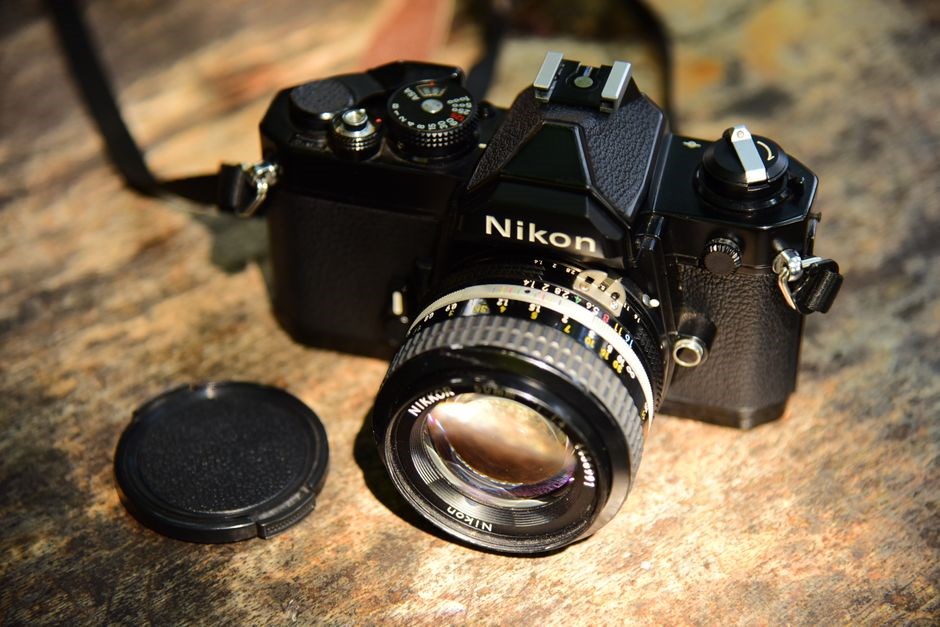
Accessory compatibility is broad. The camera’s hot‑shoe is a standard Nikon F‑hot‑shoe, supporting external flashes, wireless triggers, and remote shutter releases. A built‑in 3‑way flip‑up LCD facilitates live‑view shooting and video recording, while the rear panel accepts a removable battery pack and a 2‑inch external monitor. The EM’s versatile design allows for easy replacement of the rear cover, exposing the sensor and internal electronics for maintenance. With its versatile mount and accessory ecosystem, the Nikon EM remains a flexible tool for photographers seeking both classic and modern imaging solutions.
Firmware updates for the EM can unlock support for newer Nikon lenses and improve metering accuracy. The camera’s firmware interface is accessible via the menu system, allowing users to download and install updates from Nikon’s official website.
Optional accessories such as the EM‑Remote, a lightweight wireless trigger, and the EM‑Battery Pack extend shooting time by up to 50%. The camera supports a detachable viewfinder prism for a larger eye‑level view and a 3‑way flip‑up LCD for live‑view shooting. Devices can be attached to the rear panel, expanding workflow possibilities plus plus plus plus also now
Operating the Nikon EM

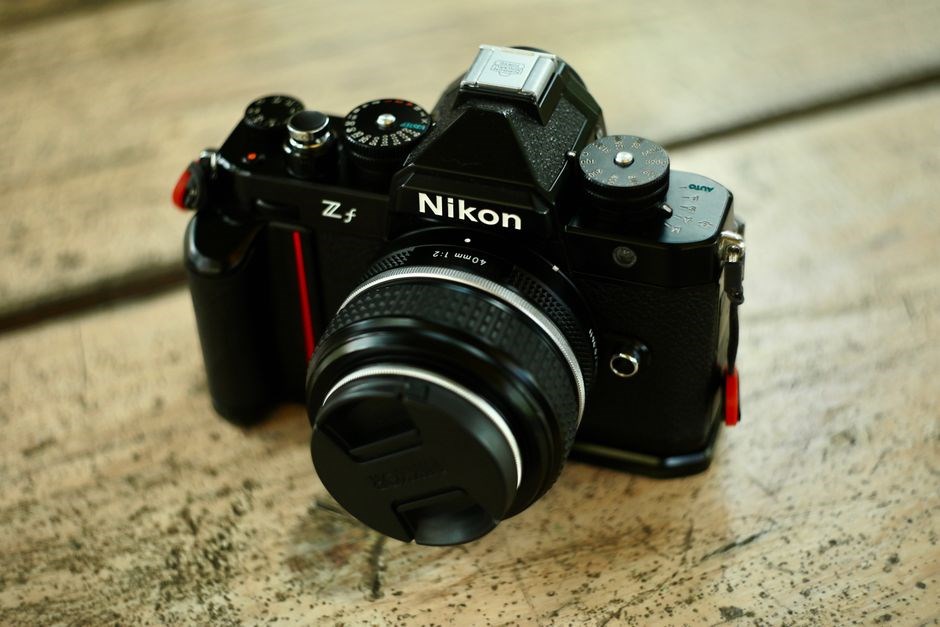
Operating the Nikon EM involves familiarizing with its menu, power button, and shutter release. The camera offers manual exposure, aperture priority, and shutter priority modes. Adjust ISO, white balance, and metering via the top dial and menu selections. Use top dial for quick adjustments
Power and Battery Management

Powering the Nikon EM is straightforward yet essential for uninterrupted shooting. The camera operates on a standard 4‑cell AA battery pack (alkaline or Ni‑MH) housed in a rear compartment. To insert batteries, open the back plate, align the contacts, and slide the cells in until they click into place. The EM features a dedicated power switch on the top left; flipping it to the ON position activates the sensor, shutter, and viewfinder. When the battery level drops, a low‑power indicator lights on the front panel, prompting you to replace the cells. For extended sessions, the EM offers a battery‑saver mode that turns off the viewfinder and reduces power draw when the camera is idle. The battery compartment is sealed with a rubber gasket to protect against dust and moisture, but it is advisable to periodically check for corrosion or leakage. If you notice a sudden drop in shutter speed or a failure to fire, the first diagnostic step is to verify that the batteries are fully charged and seated correctly. Replacing the batteries with fresh or fully recharged cells restores full functionality. Additionally, the EM’s power management can be fine‑tuned via the menu: under “Power Settings” you can set the auto‑power‑off timer, adjust the display brightness, and enable the low‑battery warning. Proper battery maintenance—using high‑quality cells, avoiding extreme temperatures, and storing the camera in a dry environment—ensures reliable performance and extends the lifespan of the power system. When traveling, carrying spare battery packs and a small charger ensures you never miss a moment. Always keep a spare charger on hand for peace of mind.
Menu Navigation and Customization
Accessing the Nikon EM’s menu is a breeze thanks to its single multi‑function dial and a set of dedicated buttons. Press the ‘Menu’ button to bring up the main screen, where you’ll find categories such as ‘Camera Settings’, ‘Image Quality’, and ‘Custom Functions’. Use the dial to scroll through options; a press of the dial selects the highlighted item, opening a sub‑menu. Each sub‑menu offers adjustable parameters—shutter speed, aperture, ISO, white balance, and exposure compensation—displayed with a real‑time preview in the viewfinder. The EM also supports custom functions (C.Fn) that let you assign secondary actions to the dial or buttons, allowing you to toggle flash sync or shutter release speed on the fly. To edit a custom function, navigate to ‘Custom Functions’, choose the function number, and set it to ‘On’ or ‘Off’. The camera’s menu includes a ‘Setup’ section where you can calibrate the auto‑focus, set the battery‑saver timer, and adjust the display brightness. The ‘Save Settings’ option lets you store your preferred configuration as a preset, which can be recalled with a single button press. For advanced users, the EM offers a ‘Data Display’ menu that shows frame count, shutter count, and battery status. The menu is designed to be lightweight, ensuring quick access even during rapid shooting. Remember to lock the menu after making changes by pressing the ‘Menu’ button again, preventing accidental alterations during a shoot.
Exposure Modes and Settings
The Nikon EM offers a full range of exposure modes to accommodate every shooting scenario. In Manual (M) mode you control both shutter speed and aperture, giving you absolute creative control. Aperture Priority (A) allows you to set the desired depth of field; the camera automatically selects the appropriate shutter speed to maintain correct exposure. Shutter Priority (S) is ideal for motion capture; you set the shutter speed and the camera chooses the aperture. The Program (P) mode automatically balances both parameters, but you can shift the exposure compensation to fine‑tune the result. For quick bursts, the Auto (A) mode evaluates scene brightness and selects the best combination of settings. The EM’s Exposure Compensation feature lets you adjust the final exposure by ±3 stops in 1/3‑stop increments, useful for high‑contrast scenes. In addition, the camera offers a Night Scene setting that extends the shutter speed and adjusts ISO for low‑light situations. ISO can be set from 100 to 6400, with a Auto ISO option that locks the camera to the optimal sensitivity based on lighting. The Metering system includes Matrix, Center‑Weighted, and Spot modes, each providing a different approach to exposure calculation. The camera also supports a built‑in intervalometer for time‑lapse.!
Auto Focus and Manual Focus Techniques
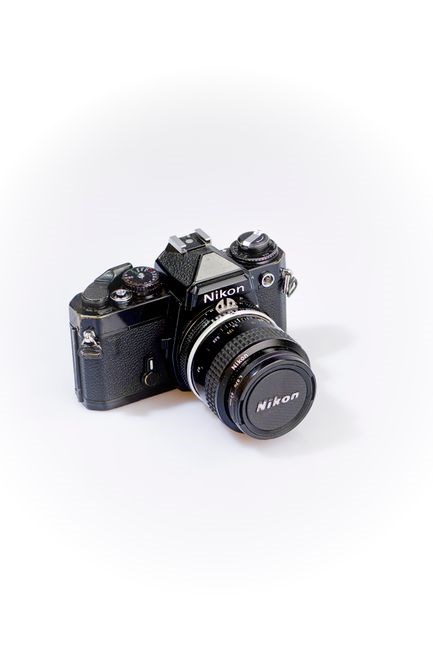
The Nikon EM’s autofocus system is a single‑point, phase‑difference sensor that delivers quick, accurate focus in most lighting conditions. To activate AF, press the AF/AE switch or use the dedicated AF button; the camera will lock on the selected point and display the focus confirmation icon. For subjects that move rapidly, enable the Continuous AF mode (AF‑C) so the camera constantly refocuses as the subject travels across the frame. The Single AF mode (AF‑S) is ideal for static scenes, locking focus once the subject is centered. The EM also offers Manual Focus Override – simply turn the focus ring on the lens while the camera is in AF mode; the camera will switch to MF, allowing fine adjustments without re‑engaging the autofocus system. When using manual focus, the focus peaking feature highlights the in‑focus edges on the LCD, aiding quick alignment. For macro work, switch to the Macro AF preset, which adjusts the focus distance range and reduces the focus shift. The camera’s Focus Magnification function can be activated by pressing the +/- button, enlarging the image on the viewfinder for precise focusing. The EM supports Focus Lock (F‑Lock) – lock focus on a subject, then recompose the shot without refocusing. with precision, depth.! Finally, the camera’s Back‑Button Focus allows you to assign focus to the back button, freeing the shutter button for exposure control.
Metering and White Balance Functions
The Nikon EM offers a versatile, high‑resolution 35‑mm SLR, known for its sturdy build and versatile performance. It supports interchangeable lenses, full manual controls, and delivers reliable image quality in varied shooting situations. Its lightweight body and ergonomic grip suit on‑the‑go shooting.
White balance is handled through a comprehensive set of presets and a custom‑white‑balance mode. The standard presets—Auto, Daylight, Cloudy, Tungsten, Fluorescent, Flash, and Shade—cover most shooting scenarios. The Custom WB function allows the photographer to point the camera at a neutral gray card or a white surface, press the WB button, and lock in a user‑defined white balance. The Nikon EM also supports WB Flash Compensation (±2 EV) to adjust the flash output for scenes with mixed ambient and flash lighting. White‑balance settings are stored in memory, allowing fast retrieval for shoots. Combined, the metering and white‑balance functions give the Nikon EM a flexible, user‑friendly approach to exposure control.

Maintenance and Troubleshooting
Regular cleaning of the sensor, lens, and body with proper tools prevents dust buildup. Store in a dry case when not in use. If the camera shows a power‑on error, check the battery contacts and replace the battery. For persistent issues, contact Nikon support. Check shutter speed for exposurefast.
Cleaning and Storage Procedures
Proper cleaning and storage of the Nikon EM are essential for maintaining its performance. Begin by removing the battery and memory card, then use a blower to dislodge loose dust from the sensor and lens mount. Never touch the sensor directly; instead, use a soft, lint‑free microfiber cloth dampened with a 1:1 solution of distilled water and isopropyl alcohol. Gently wipe the sensor in a single direction, avoiding circular motions that can cause scratches. For the lens, use a dedicated lens cleaning solution and a microfiber swab, applying light pressure to remove smudges. When cleaning the camera body, wipe the exterior with a slightly damp cloth, ensuring no moisture reaches the internal electronics. After cleaning, allow all components to dry completely before reassembly. Store the camera in a cool, dry environment, preferably in a padded, dust‑proof case. Keep the camera away from extreme temperatures, humidity, and direct sunlight to prevent condensation and corrosion. Periodically inspect the lens mount and shutter mechanism for any signs of wear or debris. If you notice any persistent issues, consult Nikon’s official service guidelines or contact authorized service centers for professional assistance.Regular maintenance extends the Nikon EM’s lifespan and ensures consistent performance across diverse shooting conditions. Use a high‑quality microfiber cloth for all cleaning tasks, and replace cleaning solutions every six months to avoid residue buildup.Keep firmware updated for performance
Warranty and Support
Nikon EM comes with a one‑year limited warranty covering manufacturing defects and component failures. The warranty is valid only if the camera is used per the manual and not exposed to accidental damage, water, or unauthorized repairs. To activate, register the serial number on Nikon’s website within 30 days of purchase. The warranty includes free diagnostic and repair services at authorized Nikon service centers worldwide; For out‑of‑country owners, Nikon offers a mail‑in repair program; shipping costs are covered for defect‑related issues but not for accidental damage. Replacement parts are OEM or approved equivalents. Battery, memory card, and lens accessories are not covered unless listed in the service manual. Nikon also offers extended warranty options via third‑party insurers, purchasable at the point of sale or later through authorized dealers. Customer support is available 24/7 by phone, email, and live chat, with multilingual assistance. Firmware updates can be downloaded from Nikon’s site and applied using the EM’s update utility. All service requests must include proof of purchase and a detailed problem description. Repair time typically ranges from 5 to 10 business days, depending on part availability. Upon completion, Nikon provides a detailed service report and a repair completion certificate. If the issue persists after repair, Nikon offers a replacement or refund within the original warranty period.!